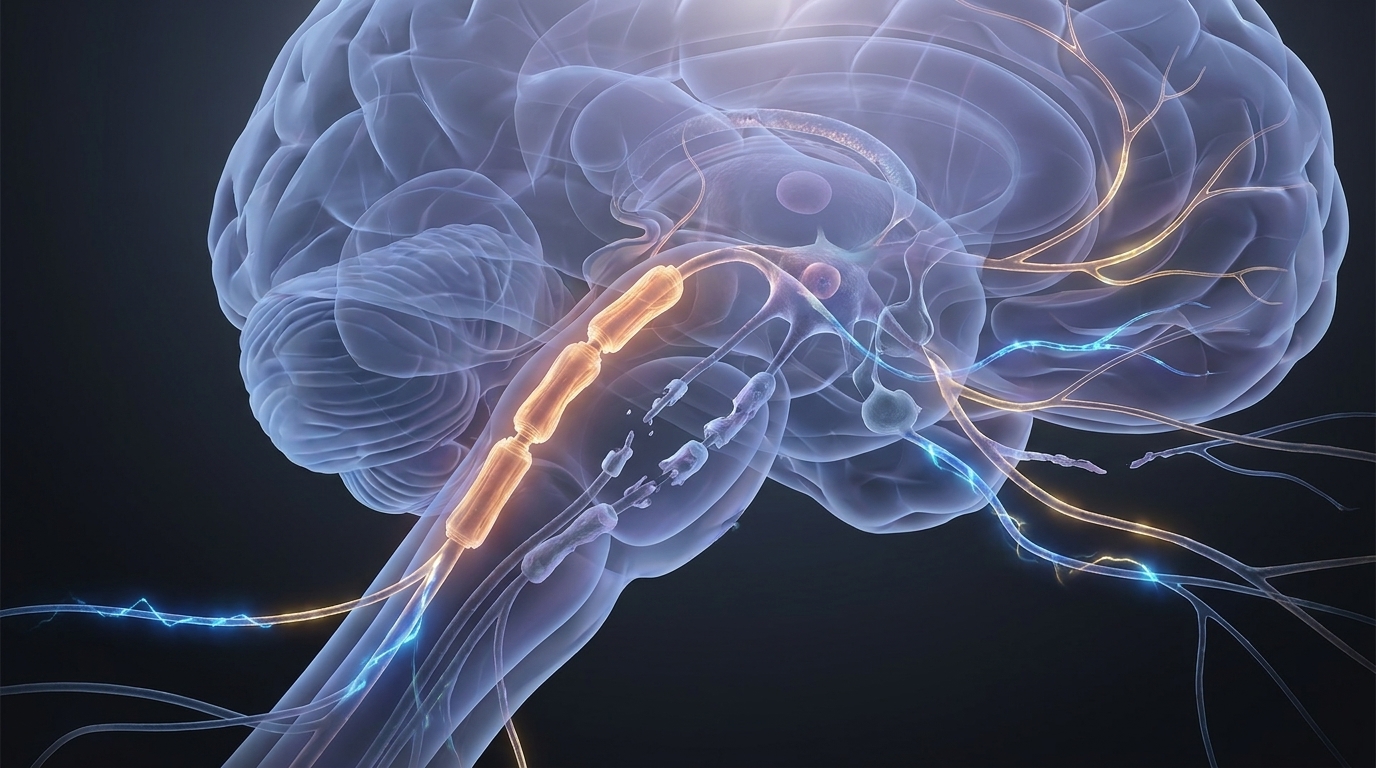
Learn how ALS and MS differ in progression, symptoms, and treatment to support early diagnosis and informed care decisions. Understanding these distinctions empowers you and your care team to access the right support and treatment path from the start.
Understanding ALS and MS: Two Distinct Neurological Conditions
ALS and MS damage the nervous system through fundamentally different mechanisms, making early diagnosis critical for choosing the right treatment path.
What is ALS and how does it affect the nervous system
ALS (amyotrophic lateral sclerosis) is a progressive neurological disease that targets motor neurons — the nerve cells in the brain and spinal cord responsible for controlling voluntary muscle movement and breathing. [1] As these neurons degenerate and die, the signals they send to muscles stop, causing muscles to weaken, twitch, and waste away. [2] Understanding [how ALS affects your body](https://alsunited.org/blog/what-is-als-and-how-als-affects-your-body) at each stage helps patients and families prepare for the changes ahead. Unlike some other neurological conditions, ALS typically leaves memory, hearing, and sight intact while progressively eliminating voluntary movement. [2] Most people with ALS die from respiratory failure, typically within three to five years of symptom onset, though about one in ten people survive ten years or longer. [1]
What is MS and how does it differ at the cellular level
MS (multiple sclerosis) is an autoimmune disease in which the immune system mistakenly attacks the myelin sheath — the protective coating around nerve cells that helps electrical signals travel efficiently between the brain and the rest of the body. [3] When myelin breaks down, nerve signals short-circuit, and the exposed nerve cells gradually die. [4] This process, called demyelination, is the primary driver of neurodegeneration in MS — which is what makes it fundamentally different from ALS at the cellular level, where demyelination is a secondary consequence of dying motor neurons rather than the root cause. [3] Because MS damage can occur throughout the brain, spinal cord, and optic nerves, symptoms vary far more widely than they do in ALS. [3]
Why early differentiation between ALS and MS matters for treatment
The treatment paths for ALS and MS diverge immediately after diagnosis, making early differentiation essential. For MS, starting disease-modifying therapy early can delay disability accumulation and may even prevent the condition from reaching a clinically definite stage.[5] ALS treatments — including riluzole and edaravone — work to slow motor neuron loss rather than suppress an immune response, so the clinical rationale is entirely different.[6] Most people with ALS survive two to five years from symptom onset, while MS patients often live near-normal lifespans with proper management — a gap that shows why getting the right [ALS or MS diagnosis](https://alsunited.org/blog/als-vs-ms-understanding-the-key-differences/) early directly shapes both treatment effectiveness and quality of life.[6]
Key Differences: Progression, Symptoms, and Life Expectancy
ALS typically progresses faster than MS, with survival averaging 3 to 5 years compared to MS patients who often live 25 to 30 years or more.
How ALS vs MS early symptoms help identify each condition
The earliest symptoms of ALS and MS tend to appear in different body systems, which is often the first clue toward the correct diagnosis. ALS typically starts with muscle weakness, visible muscle fasciculations, or trouble speaking and swallowing — all signs of direct motor neuron decline. [7] MS, by contrast, usually begins with sensory changes: numbness or tingling in the extremities and vision disturbances like blurred or double vision are among the most common early experiences. [7] Knowing the [very early ALS symptoms](https://alsunited.org/blog/very-early-als-symptoms-what-to-look-out-for) to watch for matters because ALS onset typically occurs between ages 40 and 70, while MS symptoms most often begin between ages 20 and 40 — a difference that can guide clinical suspicion before testing begins. [8]
Comparing disease progression: ALS vs MS life expectancy and timeline
Is ALS more serious than MS? Understanding severity and prognosis
ALS is generally considered more serious than MS when comparing survival outcomes directly. People with ALS live an average of 3 to 5 years after symptoms begin, though about 10% survive a decade or longer. [10] MS allows for a significantly longer disease course — with some people living 25 to 30 years or more after diagnosis — and life expectancy for many with MS remains close to that of the general population. [11] The primary reason ALS carries a more severe prognosis is respiratory failure: as the disease advances, it affects the muscles that control breathing, making it directly life-threatening in a way that MS typically is not. [12]
Similarities Between ALS and MS: Why Diagnosis Can Be Challenging
EMG results and spinal tap patterns distinguish ALS from MS, so specialist evaluation ensures you receive an accurate diagnosis rather than relying on symptom overlap alone.
Overlapping symptoms: muscle weakness, fatigue, and mobility changes
Both ALS and MS affect the central nervous system and share several symptoms that make early differentiation difficult. Muscle weakness, fatigue, balance problems, and mobility changes appear in both conditions — particularly in early disease stages, when the two are hardest to distinguish. [8] Overlap in symptoms like tremors and muscle spasms can lead to misdiagnosis, which is why specialist evaluation matters more than symptom-matching alone — a point worth understanding if you're [tracking early ALS symptoms](https://alsunited.org/blog/als-symptoms-recognizing-early-signs-and-diagnosis/). [10] Neuroinflammation in the central nervous system also contributes to both diseases, adding a shared biological mechanism beneath their otherwise distinct disease pathways. [8]
Diagnostic tools used for both conditions: MRI, spinal tap, and EMG testing
MRI, electromyography (EMG), and lumbar puncture (spinal tap) are used in the diagnostic workup for both ALS and MS, but the results point in opposite directions depending on which disease is present. [7] MS lesions appear on brain and spinal cord MRI scans, while in ALS, neuronal damage is not visible on imaging — making MRI far more diagnostically useful for MS than for ALS. [7] EMG is the key differentiator for ALS: the test shows characteristic abnormalities in ALS while producing normal results in MS patients. [7] A spinal tap reveals a characteristic cerebrospinal fluid pattern in MS that is absent in ALS, which is why understanding the [symptoms and diagnostic process](https://alsunited.org/blog/symptoms-and-diagnosis) helps patients know what to expect before testing begins. [10]
How to tell if you have MS or ALS through comprehensive medical evaluation
Telling ALS apart from MS requires evaluation by a neurologist because both conditions are diagnosed by exclusion — confirmed only after other possible causes are ruled out. [12] For ALS, neurologists apply the El Escorial or Awaji criteria, classifying findings as definite, probable, or possible based on where motor neuron damage appears and what EMG results show across multiple body regions. [13] MS diagnosis requires documented evidence of damage in at least two distinct areas of the central nervous system at two separate points in time — a standard that doesn't apply to ALS evaluation. [12] Understanding [what type of doctor treats ALS](https://alsunited.org/blog/what-type-of-doctor-treats-als) helps patients know who to see first, since a multidisciplinary team — typically including neurologists, pulmonologists, and speech therapists — reaches a clearer answer faster than a single specialist working alone. [13]
Getting the Right Diagnosis and Support Through ALS United
A diagnosis of ALS brings emotional challenges, and peer support groups, counseling, and multidisciplinary care help you navigate this journey.
Finding specialized doctors who diagnose and treat ALS and MS
Finding a specialist for ALS or MS typically begins with a referral from your primary care physician to a neurologist, who conducts a physical exam and orders diagnostic tests including EMG and MRI. [14] For ALS specifically, neurologists often refer patients to a neuromuscular specialist — a doctor focused on nerve and muscle conditions — to confirm findings or provide a second opinion. [14] On average, an ALS diagnosis takes about a year to confirm because no single test is definitive, and neurologists may repeat testing over time to track how symptoms evolve. [15] Our guide on [what type of doctor treats ALS](https://alsunited.org/blog/what-type-of-doctor-treats-als-understanding-als-medical-care) breaks down the full multidisciplinary care team and what each specialist evaluates at each stage of the process.
Comprehensive care planning after diagnosis: medical, emotional, and community support
An ALS diagnosis typically brings shock and grief — nearly one in four people with ALS experience depression, with risk highest in the weeks immediately surrounding diagnosis. [17] Because of this, clinicians generally defer detailed advance care planning discussions — covering nutrition support, noninvasive ventilation, and hospice — until follow-up visits, once a therapeutic alliance is established and the patient is ready to engage. [16] Emotional support during this period includes counseling, medication for mood disorders, and peer-led support groups where people with ALS and families share coping strategies and lived experience. [17] Our [care services page](https://alsunited.org/blog/our-care-services) outlines how a multidisciplinary team — including social workers, speech therapists, and respiratory specialists — coordinates these layers of support from diagnosis forward.
Connecting with ALS United's network for resources, counseling, and advocacy
Peer support groups, one-on-one counseling, and advocacy are all part of what a strong ALS network looks like after diagnosis. Our virtual support groups bring together people with ALS, caregivers, and families in facilitated sessions that address symptom management, long-term planning, and practical coping strategies — all run by experienced care managers. [18] People living with ALS also find meaning in giving back: mentoring newly diagnosed individuals, speaking at educational events, and supporting policy efforts around ALS research funding are common ways community members contribute to the broader fight. [17] [Joining a support group](https://alsunited.org/blog/join-a-support-group) is often the first step — and we are here for you whether you're looking for information, connection, or a way to take action.
References
- Motor neurons are the nerve cells in the brain and spinal cord that control voluntary muscle movement and breathing. As motor neurons degenerate and die, they stop sending messages to the muscles. Most people with ALS die from being unable to breathe on their own (known as respiratory failure), usually within three to five years of symptoms first appearing. But about 1 in 10 people survive for 10 years or more.
- ALS often begins with muscle twitching and weakness in an arm or leg, trouble swallowing, or slurred speech. There's generally no pain in the early stages of ALS, and pain is not common in the later stages. ALS doesn't usually affect bladder function or the senses, such as taste, smell, touch and hearing.
- In MS, the patient's own immune system mistakenly attacks healthy parts of the nervous system. These inflammatory attacks target the protective covering around nerve cells, known as the myelin sheath, disrupting nerve signaling and ultimately leading to nerve cell death. Essentially, MS demyelination drives neurodegeneration, while ALS demyelination is a secondary consequence of neurodegeneration. The two diseases also differ in the nerves they affect. While motor neurons are the main target of ALS, MS-related damage can happen throughout the brain and spinal cord.
- When you have MS, your body attacks the myelin sheaths in your brain and spinal cord. When myelin sheaths are damaged, signals from your brain to other parts of your body get short-circuited.
- Timely recognition is critical because the progression of MS can be delayed, and clinically definite MS can possibly be prevented if treatment with a disease-modifying drug is initiated early.
- The prognosis for ALS is far worse than for MS. Most people with ALS will die within three to five years from onset of symptoms. Treatment options for MS are both more numerous and more promising, and while the disease is not considered curable, some patients experience only a slow decline over decades.
- Muscle weakness and difficulties speaking (dysarthria) or swallowing (dysphagia) are early symptoms of ALS. In contrast, the first symptoms of MS typically include paresthesias, such as numbness or tingling in the extremities, or vision changes.
- Symptoms of MS typically start between ages 20 and 40, while symptom onset for ALS is often later in life, between ages 40 and 70.
- In general, people with MS live seven to 14 years less than others. Median survival from MS onset (40.6 years) was lower compared to the general population (54.6 years). Life expectancy for RRMS patients was longer (77.8 years) than for those with PPMS (71.4 years).
- At this time, people with ALS live an average of 3 to 5 years after they first recognize symptoms, though every person is unique. Some people live longer, and progress is being made every day to help extend the lifespan and quality of life for people with ALS.
- MS does not usually affect life expectancy. You can live with MS for 25 or 30 years–or more–depending on what age you are diagnosed.
- ALS is associated with a shorter life expectancy due to its rapid progression and severe impact on muscle control. In contrast, MS generally allows for a longer and more manageable lifespan, though it presents ongoing challenges.
- The Awaji Criteria update the El Escorial guidelines by giving electromyography (EMG) results more weight in diagnosing ALS, classifying ALS as definite, probable, or possible based on symptoms and EMG results. ALS diagnosis isn't a one-doctor job — neurologists, physiotherapists, speech therapists, and nutritionists work together to assess symptoms, run tests, and rule out other conditions.
- If ALS is suspected, a PCP will typically refer their patient to a neurologist for further evaluation. As a next step, individuals are often referred to a neuromuscular specialist, which is a doctor that specializes in nerves and muscles. The neuromuscular specialist will either assist in ALS testing or offer a second opinion.
- With no specific test to confirm ALS, diagnosis is a process that involves lab tests, neurological tests and observation. For patients, it can be a frustrating journey: On average, it takes about a year to get a confirmed ALS diagnosis.
- A recent qualitative review of the ALS patient experience found that at the time of diagnosis many exhibited bewilderment, denial, distress, and sadness… an ACP discussion is generally not introduced at diagnosis, unless specifically requested by the patient or family. Discussions regarding ACP are, instead, initiated at follow-up visits.
- Almost one-quarter of people living with ALS experience depression, and the risk is often highest immediately before a person is diagnosed and soon afterward. Treatment strategies may include counseling or talk therapy, medications, and talking with others in a support group.
- All ALS Network groups are facilitated by our professional Care Managers, who have extensive experience in ALS. With many monthly options to choose from, our goal is to provide support that is convenient for you and your loved ones.